
Case study · Oral history · Newport

Flame Keepers

Recording the people who built Ronson lighters in Newport, before their memories are lost.

A Discover More project
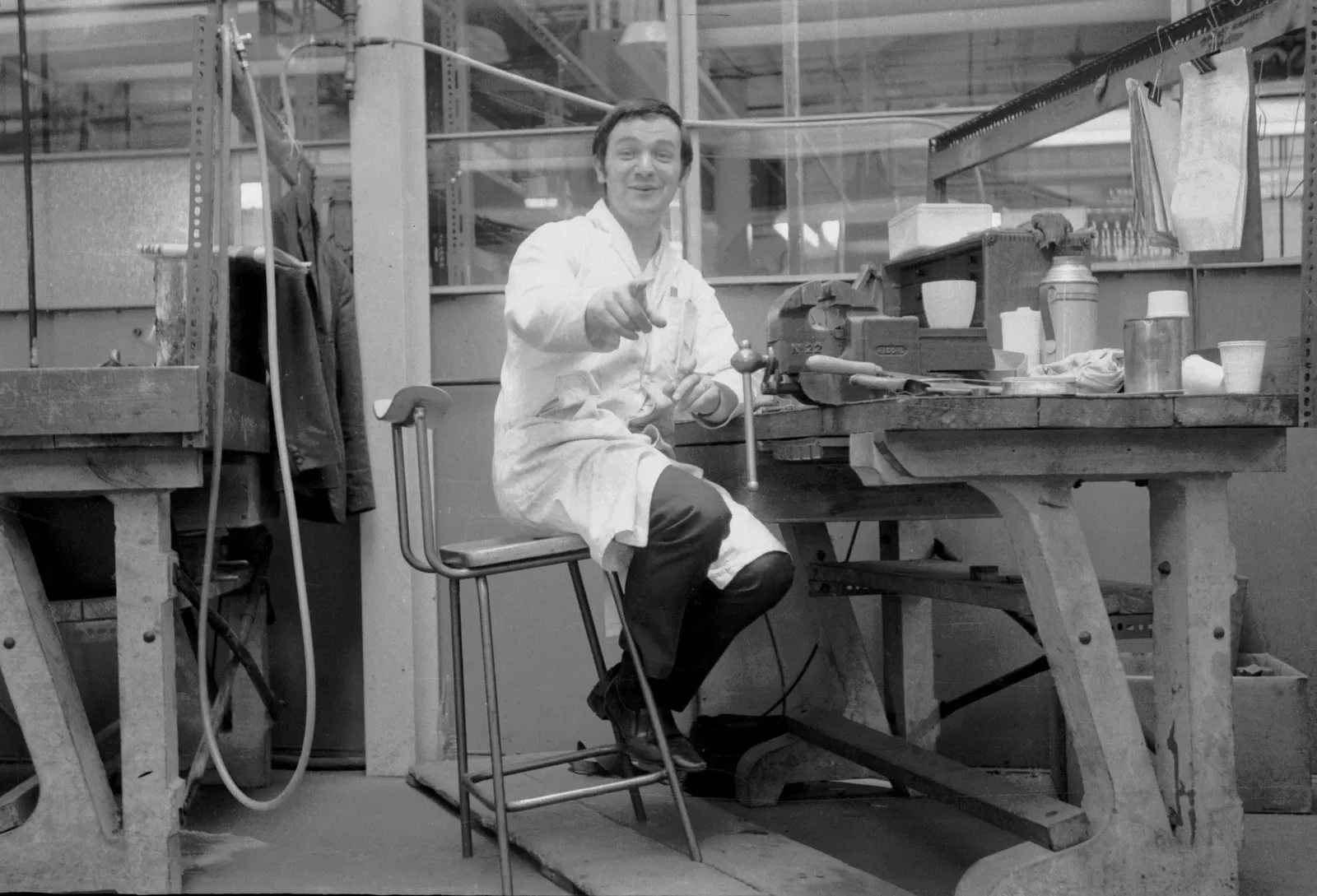
Black-and-white photograph of a Ronson factory worker in a white coat seated at a workbench covered with tools, pointing at the camera and grinning.
At the bench, Ronson factory, Forest Road. Photo lent by Derrick Saines

At a glance

The factory
Ronson, Forest Road, Newport, 1961–1984
Recorded
5 in-depth interviews, April–October 2026
Archive
200+ photographs lent by former workers and families
For schools
Free 22-page KS2 teachers’ pack
Where to hear it
Online, in all 11 Island libraries, and on Talking News
Project site
flamekeepers.uk ↗

The story

In February 1961, Ronson started production in Newport, in buildings left empty when the Saunders-Roe aircraft work was cancelled. It opened with 35 staff making shavers, hairdryers and shoe polishers. From 1967 the factory made lighters.1

1Grants were offered to bring new employers to the Island after the aircraft project was cancelled and jobs were lost.

Most of the people on the production lines were women, many of them 16 when they started. Much of the work was piecework, timed by “time and motion” men. By 1979 there were 430 people on site, and the Island’s MP later told Parliament the factory’s productivity had been the highest anywhere.2

2Stephen Ross MP, House of Commons, 14 December 1982 (Hansard).

Ronson announced the closure in January 1981, with the loss of 327 jobs. New owners carried on with a much smaller workforce until June 1984, when lighter making moved to North Shields. The buildings were later demolished.3

3Dates come from Isle of Wight County Press reports, Hansard and workers’ memories, which don’t always agree. The project records both.

Nearly 600 people worked there over the years, yet many people now don’t know the factory existed. Flame Keepers set out to change that. Between April and October 2026 we recorded in-depth interviews with five women who worked on the lines, and gathered photographs from former workers’ albums.4

4Interviews recorded in Newport, Ryde and Sandown by Simon Perry for Meeja.

In May 2026, Ronson Reunited brought former workers together at Independent Arts in Newport. Many brought photographs, pay cards, lighters and letters to share.
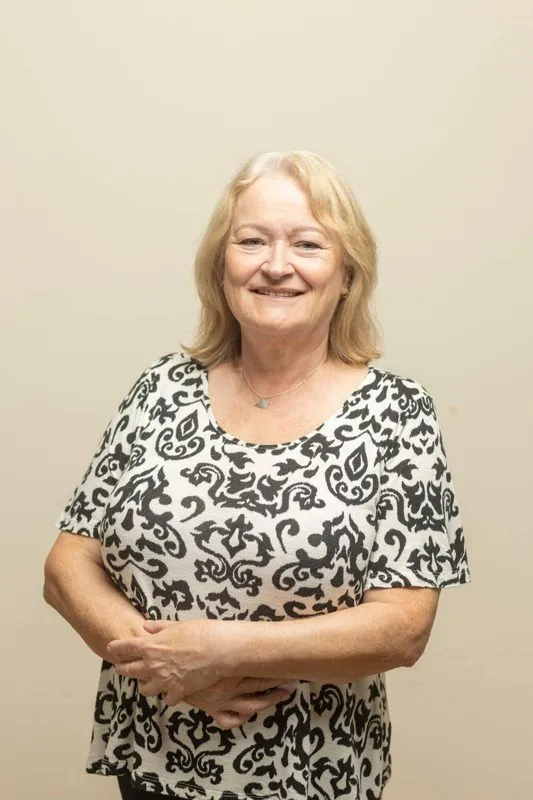
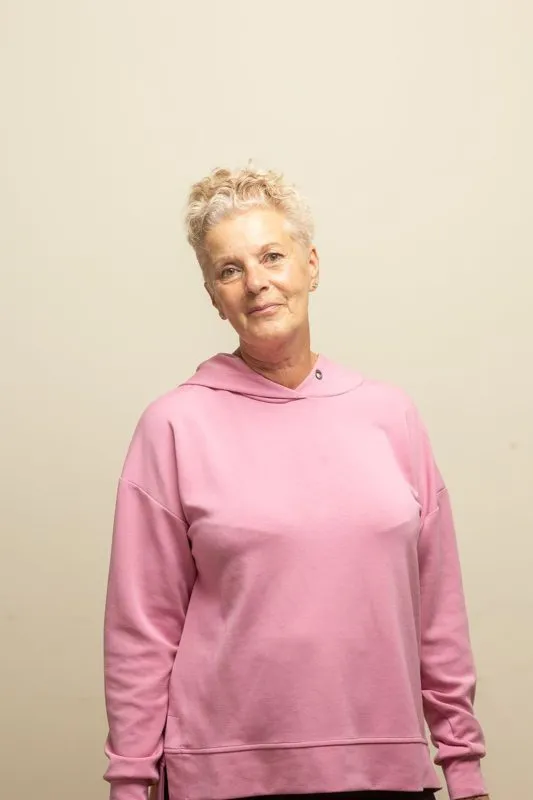
“You felt like you were all on one level, very friendly, very sociable.”

Sue Tout, Comet line, float and rectification
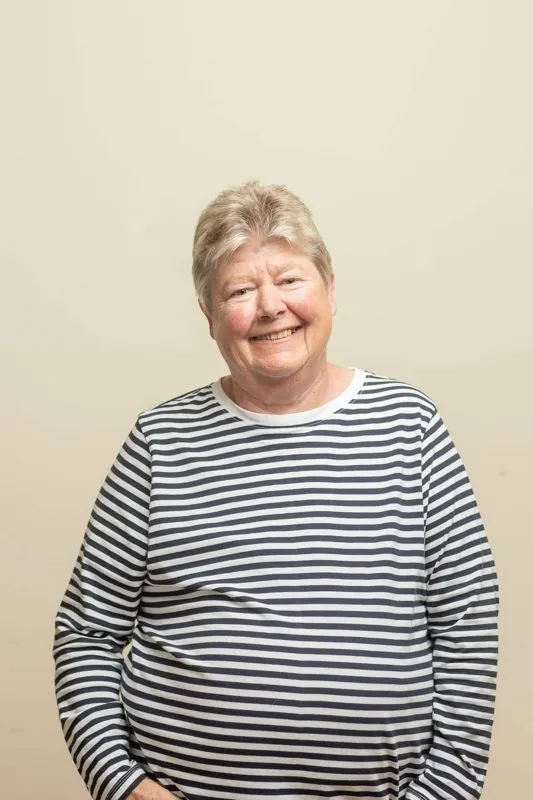
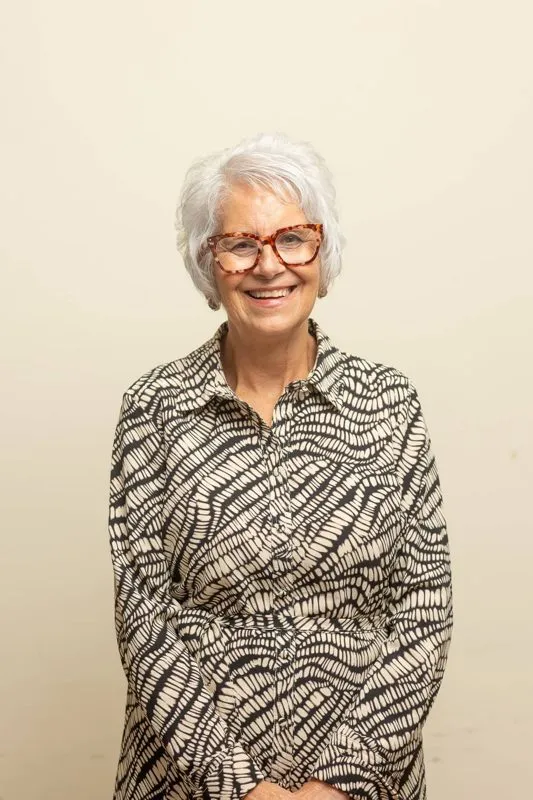
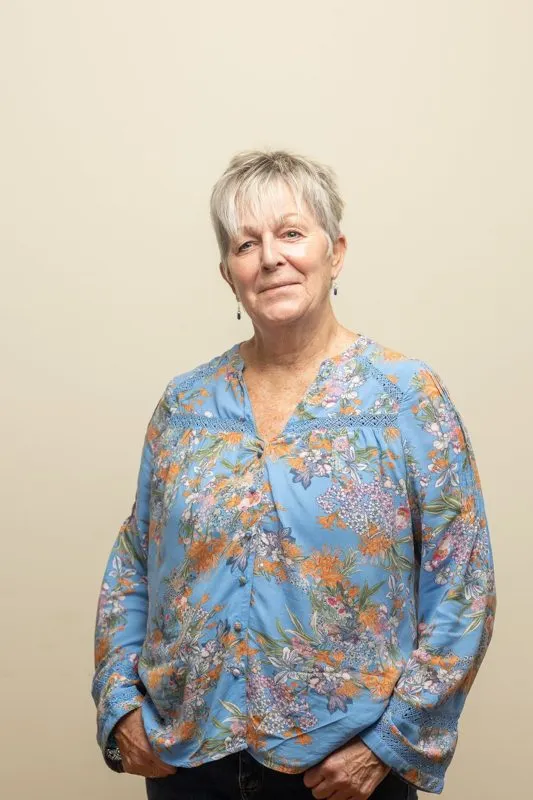
  • Colour portrait of Patricia Kennedy

    Patricia Kennedy

    Valve department and valve-to-shell testing, 1977–1981

  • Colour portrait of Sue Tout

    Sue Tout

    Comet line, float and rectification, mid-1970s to closure

  • Colour portrait of Gillian Cocker

    Gillian Cocker

    Polisher, float girl and rectifier, from 1970

  • Colour portrait of Sheree Ash

    Sheree Ash

    Ancillary department, joined at 17 in the mid-1970s

  • Colour portrait of Julie Cocker

    Julie Cocker

    Comet line, float girl and training instructor, 1976–c.1980

Portraits by Julian Winslow, October 2026

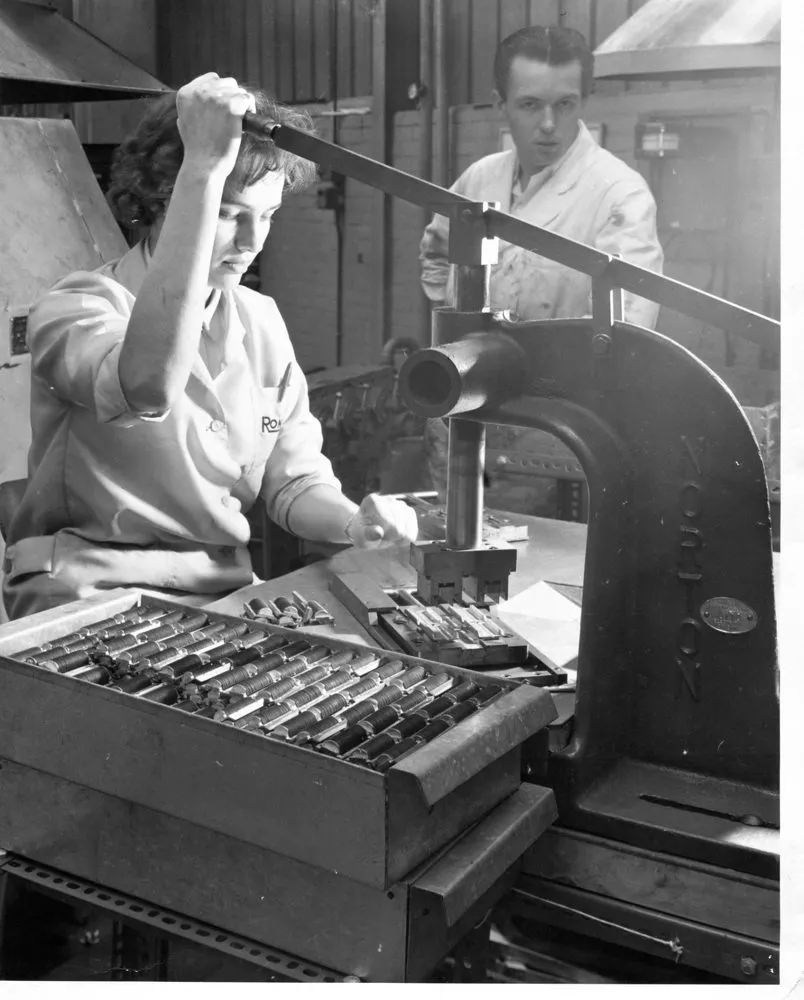
Black-and-white photograph of a woman operating a hand press at the Ronson factory, with a manager watching in the background.
Operating a press, 1965 or 1966. Lent by Mary Messenger
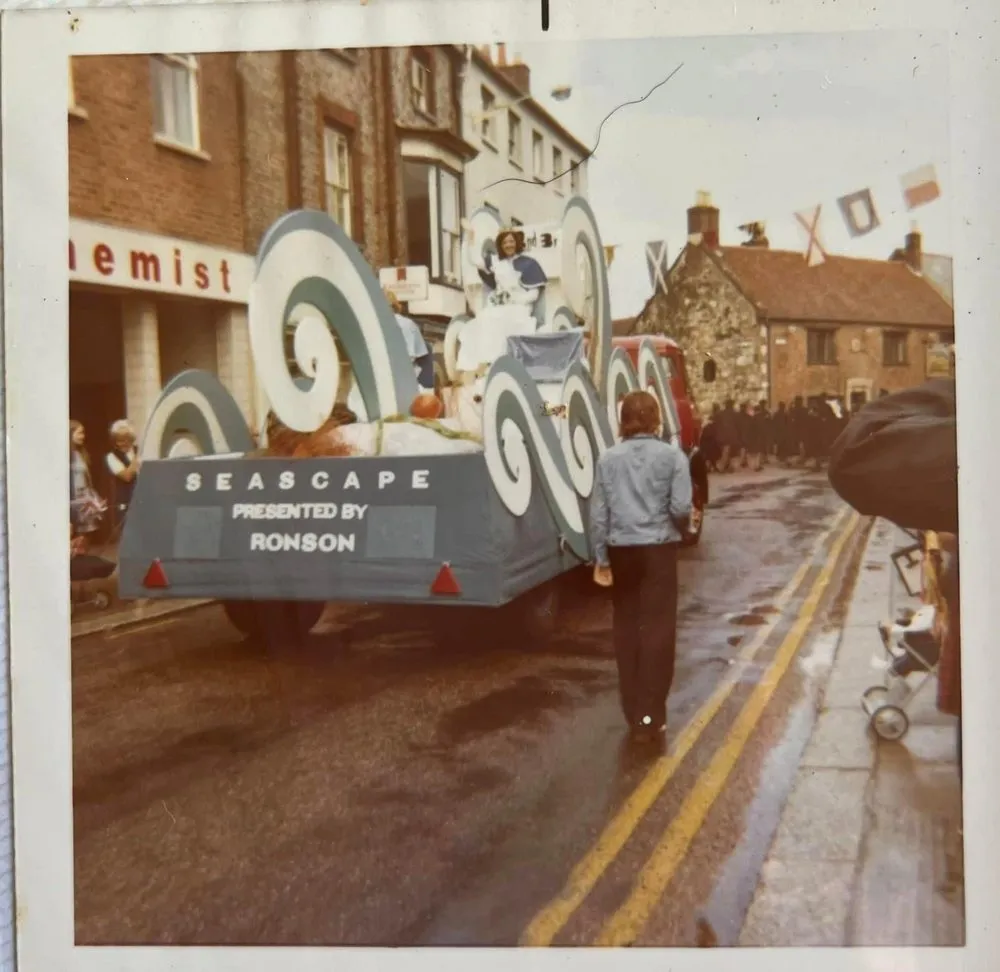
Colour photograph of the rear of the Ronson ‘Seascape presented by Ronson’ carnival float travelling down Newport High Street, with crowds lining the pavement.
Ronson’s Seascape float on Newport High Street. Lent by Patricia Kennedy
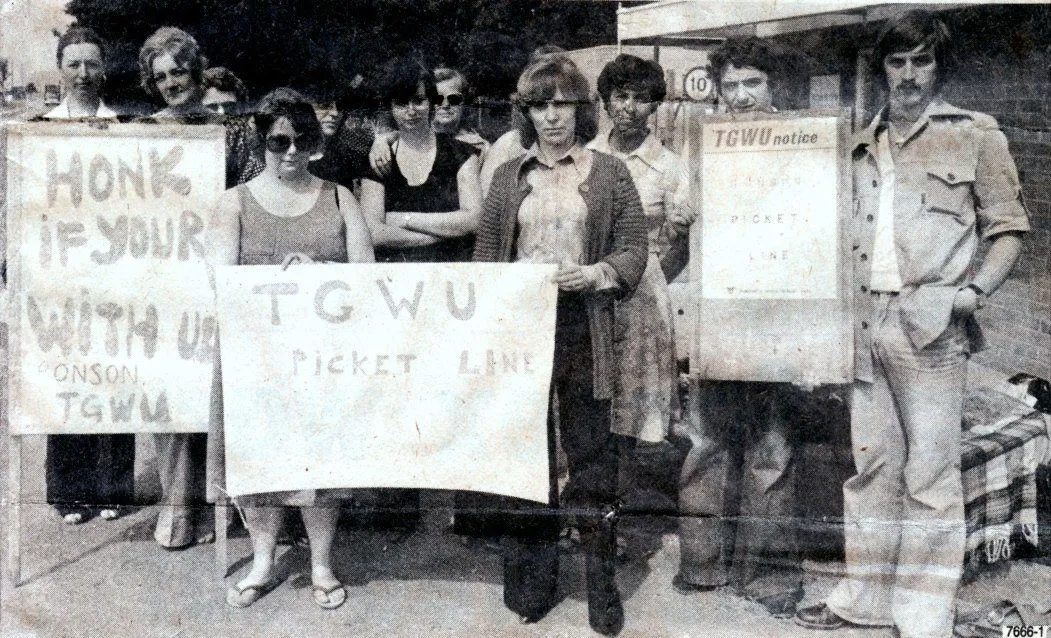
Black-and-white newspaper photograph of Ronson workers on a pavement during the strike, holding hand-painted TGWU picket line placards.
On the picket line, 1979. Isle of Wight County Press, from the collection of Andrew Dore
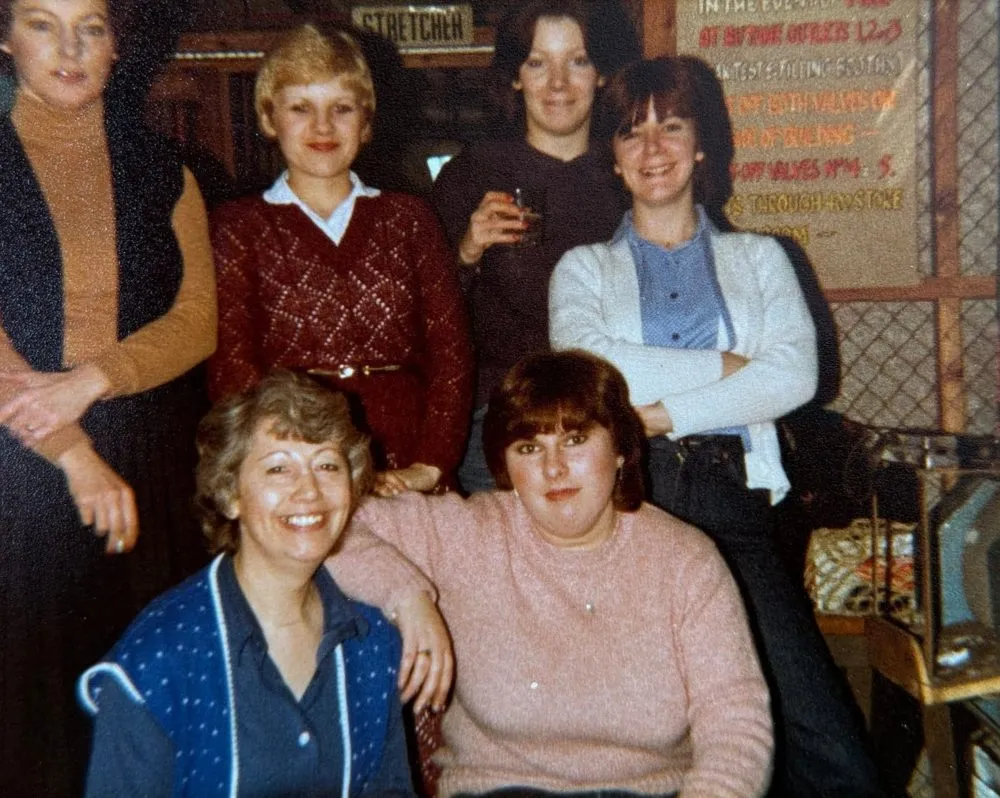
Colour photograph of six women from the factory smiling together at a Christmas celebration in 1980.
Christmas celebrations, 1980. Lent by Patricia Kennedy

What the project made

  • Five in-depth interviews, each with audio and a full transcript, also preserved on the Internet Archive
  • A public gallery of more than 200 photographs and documents, from the factory floor to the carnival and the picket line
  • A free KS2 teachers’ pack, with five activities built from the interviews, photographs and a Parliamentary debate
  • Talking News broadcasts and full interviews on USB for Sight for Wight members
  • Free access on public computers in all 11 Isle of Wight libraries
  • A permanent home for the recordings at Carisbrooke Castle Museum

Funded by

Past Futures, a Hampshire & Isle of Wight Community Foundation programme delivered with Creative Island, with support from The National Lottery Heritage Fund, thanks to National Lottery players.

The National Lottery Heritage FundHampshire & Isle of Wight Community FoundationCreative Island

Partners

  • Sight for Wight
  • Isle of Wight Library Service
  • Carisbrooke Castle Museum
  • Independent Arts, Newport
  • Creative Island Education

Credits

Sally Perry
Project producer, Discover More CIC
Tracy Mikich, Square Peggy
Project management, transcription and cataloguing
Simon Perry, Meeja
Oral history interviews
Meeja
Audio production, website design and build
Julian Winslow
Portraits and event photography
Caroline Barnes
Evaluation

Photographs lent by
Lyn Webb Baker, Helen Bevan, June Brett, Kate Britton, Marian Chiverton, Tim Cousins, Andrew Dore, Shirley Dore, Catherine Hodges, Patricia Kennedy, Christine McDermott, Jenni McKeown, Mary Messenger, Peter Piper, Gayna Ryan, Derrick Saines, Valerie Sainsbury, Valerie Sly, Elaine Storey, Sue Tout, Karen Whittington, Stanley Whittington, Teresa Williams and Jim Wollwebber. Archive images reproduced with permission of the Isle of Wight County Press.

Interviews, transcripts and teachers’ resources © Discover More CIC, licensed CC BY-NC-ND 4.0. About the licence

Did you work in an Island factory?

We’d like to hear from you about future projects recording Island working lives.

Register your interest ↗

← All projects